

Building the future by scanning reality
Showcasing the Legacy of
Armenian Khachkars in the
Digital Age.
VIEW MORE Khachkars are unique to Armenian Culture
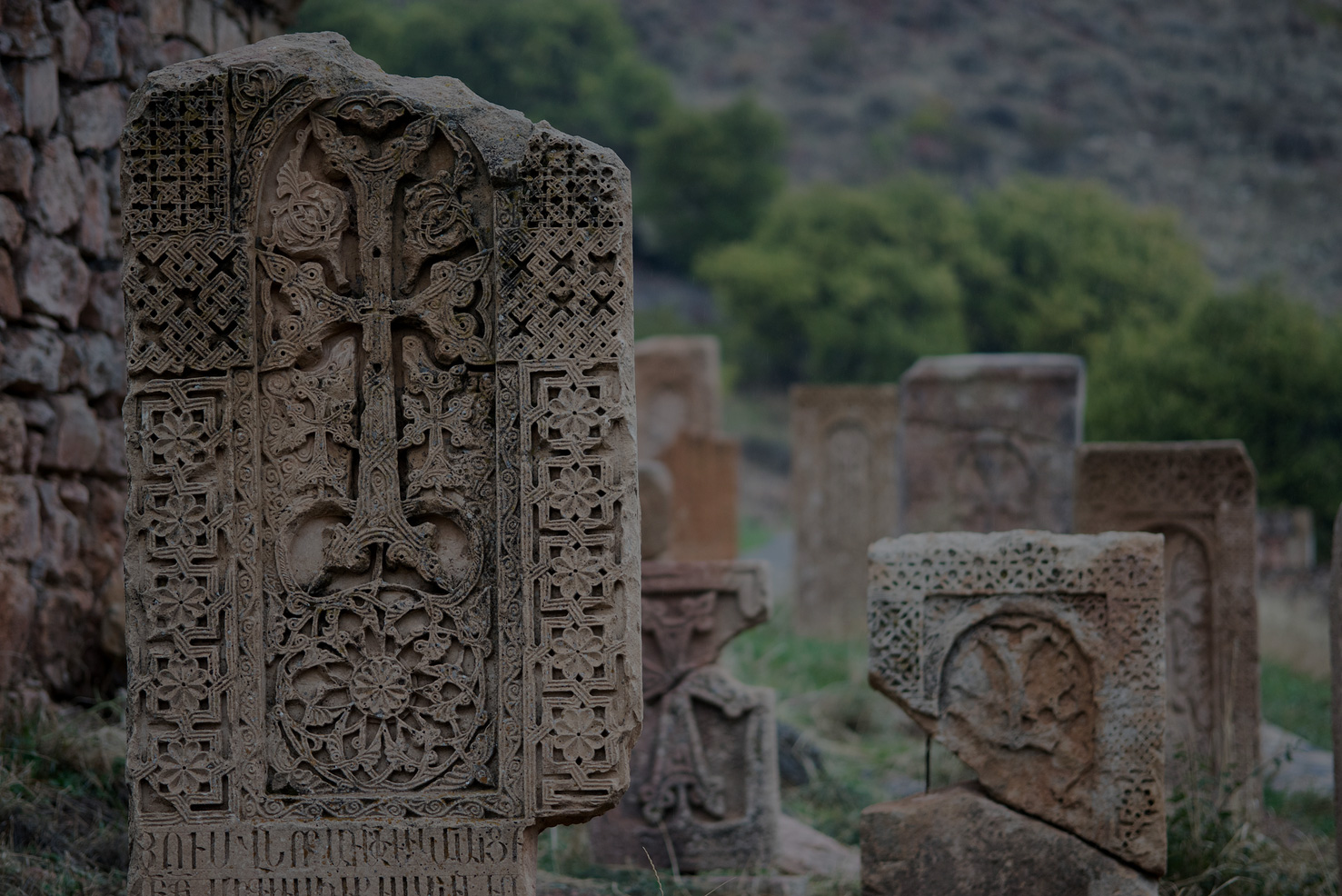
Khachkars first appeared in the ninth century CE, but their origins are still debated. Many scholars trace them back to the four-sided stone stelae, which had similar engraved crosses. These stelae were raised after Armenia adopted Christianity early in the fourth century. Other scholars believe that khachkars were originally a folk development of worshipping the cross. The Church then adopted these crude stone monuments and developed them into an elaborate genre, which survived until the late eighteenth century.
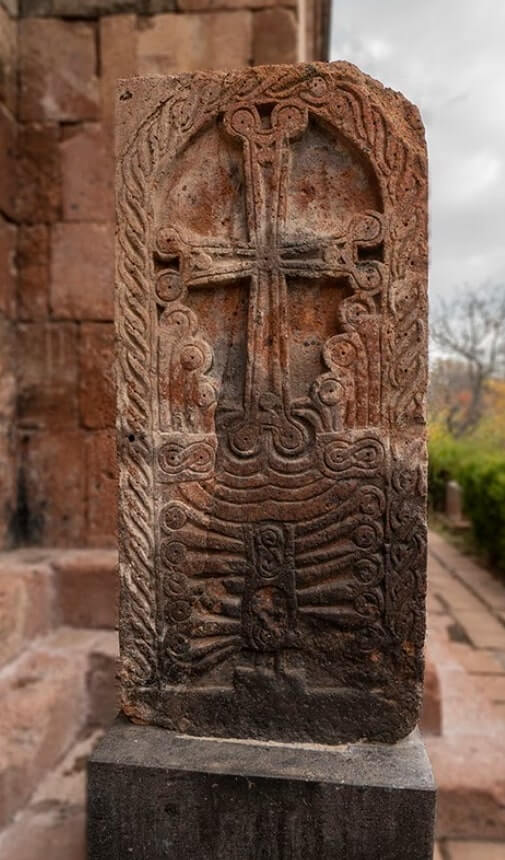
Medieval khachkar carvers typically followed the style of a local school; modern carvers compile their cross-stones from different schools and styles. As a result, an “ideal” khachkar might combine in one composition all the components: the fruits of the blooming cross, symmetric wings, rosette in the lower part, pairs of birds or heavenly luminaries at the top.
In 2010, khachkar was added to the UNESCO Representative List of the Intangible Cultural Heritage of Humanity.
3D digital twins of
Armenian khachkars
Extensive portfolio of digital information to be used as a foundation for future educational and research projects at the intersection of Computer Science & Digital Humanities fields
Project supported by the American University of Armenia (PI: Narine Sarvazyan), 3D Armenia Initiative and scan3d.pro.
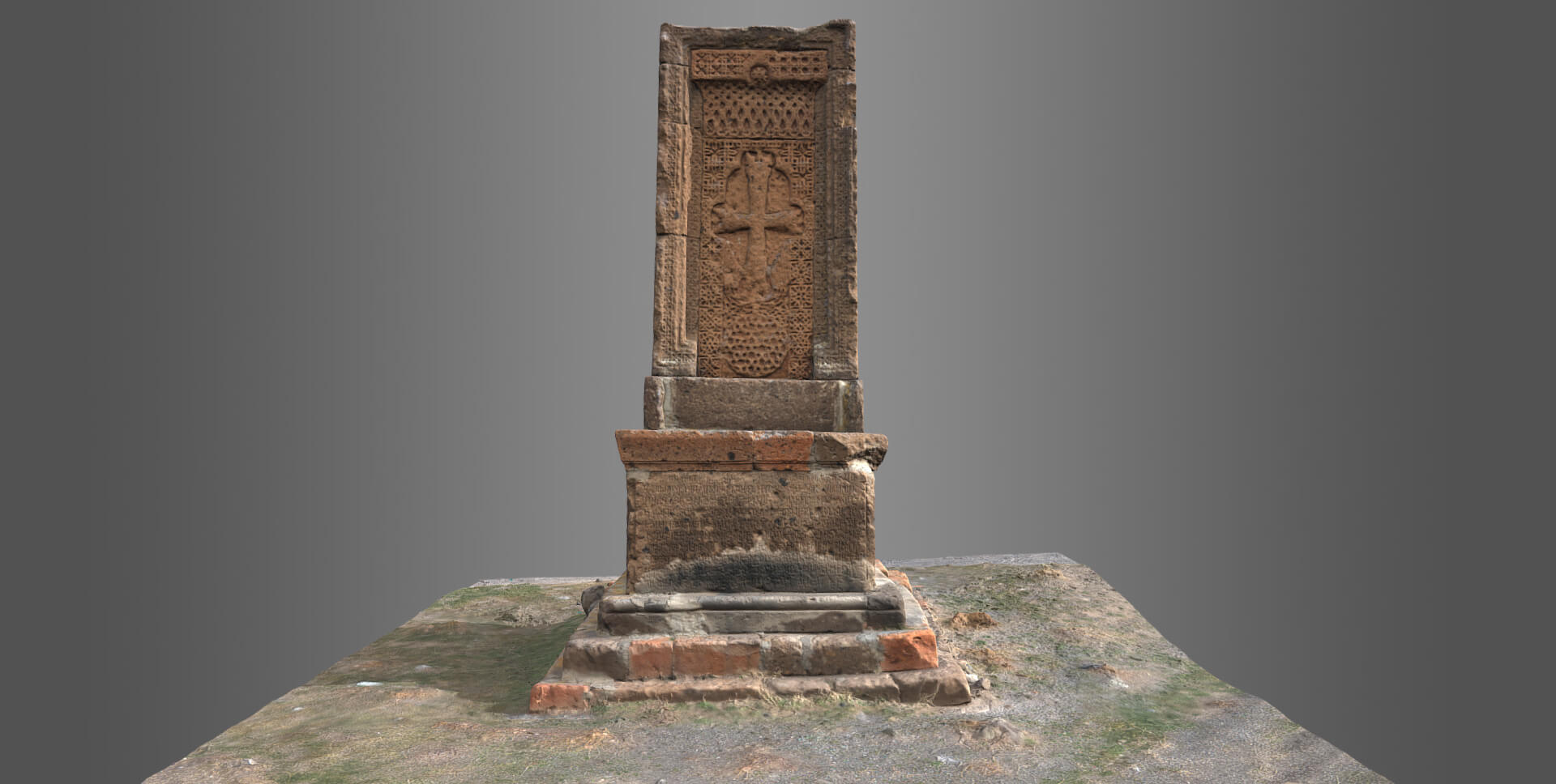
From November 2023 to January 2024, our team conducted LIDAR and photogrammetric scanning of Armenian khachkars in various regions of Armenia. In total, over 150 khachkars from different periods were scanned.
EXPLORE THE ARCHIVE